

The Pentecost Bands, established in 1885 in the small Michigan community of Parma, hold a rich history that extends far beyond rural landscapes. Contrary to common assumptions, these bands were not confined to small towns, but embarked on a mission that spanned both large urban centers and rural communities across the Midwest. In this blog post, we delve into their dynamic ministry, highlighting their strategic approach, significant campaigns, and holistic emphasis on both physical and spiritual needs.
Campaign Strategy and Urban Outreach
The Pentecost Bands’ strategic approach involved establishing connections in larger metropolitan areas, particularly county seats, before venturing into smaller neighboring communities. Their journey began with the 1885 campaign in Battle Creek, Michigan, a city with a population exceeding 7,000. This marked the start of a pattern where the Bands would initiate their work in populous locations and gradually expand into smaller areas.
Similar to the challenges faced by the Salvation Army, the Pentecost Bands encountered resistance in densely populated metropolitan areas. Arrests were not uncommon, reflecting the disruptive nature of their music and preaching. Newspaper accounts from the 1880s and personal journals of Band members provide insights into their tactics for finding revival locations.
Revival Tactics and Community Engagement
Band leaders often scouted new locations or sent letters to local papers, seeking venues for revival services. Street meetings, characterized by vibrant singing, served as their initial outreach. Once established, the Bands engaged in door-to-door visitation, set up Sunday Schools, and assisted in establishing new Free Methodist societies wherever possible.
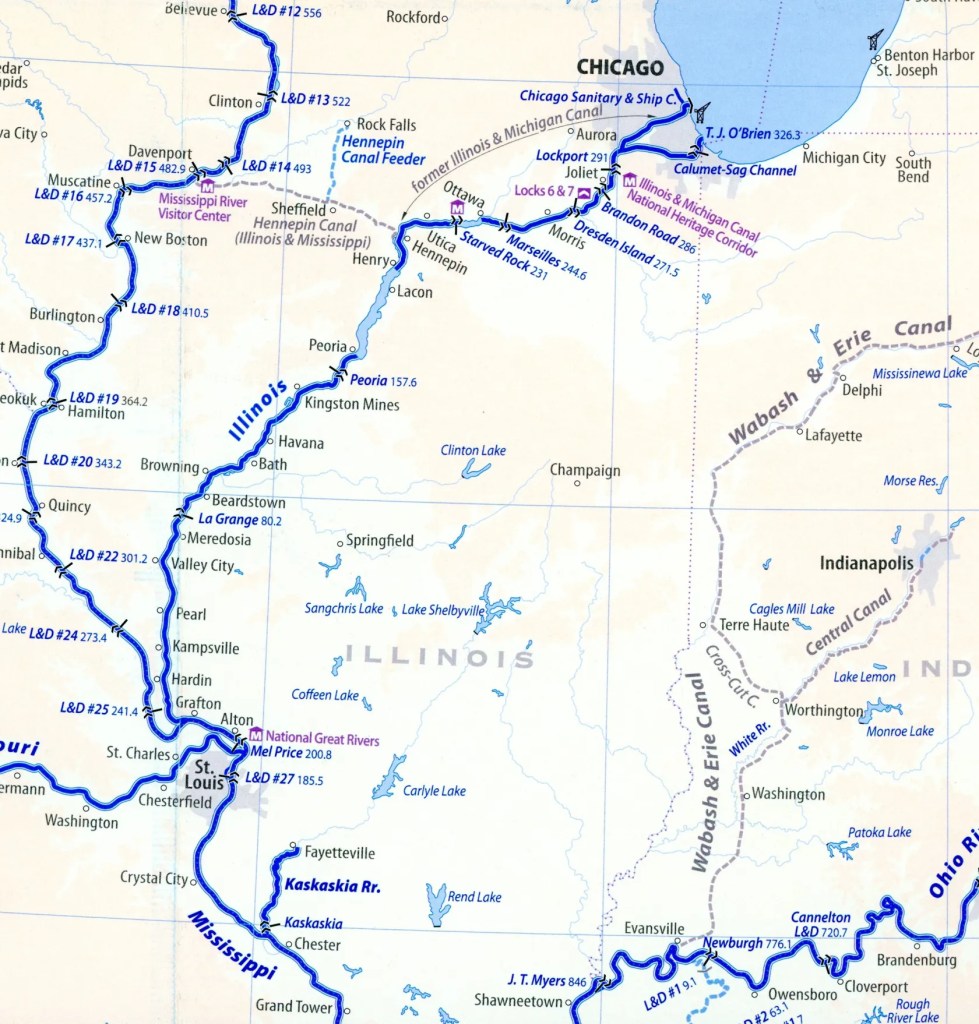
Dake’s intentional targeting of growing metropolitan communities became evident during the 1886 Illinois campaign. Moving his family to St. Joseph, Michigan, in anticipation of this campaign, Dake strategically utilized St. Joseph’s harbor as a quick water route to Chicago and the Illinois canal system.
Immigrant Communities and Holistic Ministry
As the Pentecost Bands expanded their ministry into Illinois, a notable focus emerged on locations along the Illinois canal system, including industrial cities such as Braidwood, Morris, and Streator. These cities had witnessed significant population growth in the 1870s and 1880s due to the influx of Central and Eastern European immigrants working in factories and Southern Illinois coal mines.
Emphasizing the holistic needs of communities, the Bands put out calls for food and supplies in Braidwood, Illinois, where local miners faced challenges such as privatization and lack of necessary resources. This commitment to addressing both physical and spiritual needs underscored the Bands’ embodiment of Roberts’ call to preach the gospel to the poor while actively meeting their practical requirements.
Conclusion
The Pentecost Bands of 1885 left an indelible mark on the Midwest, transcending geographical boundaries to minister in diverse urban and rural settings. Their strategic campaigns, community engagement tactics, and holistic ministry approach showcase a commitment to fulfilling both the spiritual and physical needs of the communities they served. As we reflect on their historical impact, we find inspiration in their embodiment of a comprehensive and compassionate ministry
1 Department of Interior, ‘Statistics of the Population of the United States Tenth Census: Battle Creek, Michigan’, U.S. Census, 1880 <https://www2.census.gov/library/publications/decennial/1880/vol-01-population/1880_v1-01.pdf> [accessed 13 January 2024]
2 In addition to beginning revivals in larger cities (usually the county seat), the Bands also appear to have found locations through scouting missions and sending letters of inquiry to local newspapers. Ina Cone’s 1895 journal of Band work in Illinois notes Band leader Rena Brown would scout out locations before sending Bands to try to ensure the workers had lodging and a place to hold services. An 1888 letter from Band leader George Chapman inquiring if the Greenville, Ohio, community would allow his Band to come and hold services was published in The Darke County Democratic Advocate. Chapman, George, ‘Pentecost Band Work,’ The Darke County Democratic Advocate (25 October 1888), 8. Cone, ms., ‘June 7, 8, 9,’ Diary for a Year.
3 Among the many newspaper accounts of local opposition, one story mentioned in both Nelson’s Life and Labors in the local newspaper in Paw Paw Michigan includes a group of young men taking down the Pentecost Band tabernacle and attempting to ship it out of town via train. True Northerner (10 June 1886), 1; Nelson, Life and Labors, 121. The Pentecost Bands were also regularly cited in local papers as speaking badly about other organized religions—a reference to the fact that their evangelistic tactics and audiences were not the norm of middle-class Protestant congregations of the era. The Streator Free Press (22 September 1888), 1 & ‘North Parma, Michigan,” The Free Methodist (10 February 1886), 4.
4 Band member Ina Cone kept a journal in 1895. In her journal are daily accounts of the ministry activities and routines of her Band. Sadie Hill, another Band worker in the mid-1890s also left journal entries that her daughter Gertrude later wrote up in a biography of her mother. Both Ina and Sadie noted when their Bands arrived at a new location the first order of business was securing a location to hold meetings and a place to live (often in the same place), holding street meetings to announce their arrival, and once revival services began reaching out to the local community through visitation efforts and organizing a Sunday School or Free Methodist society, depending on the reception of the community. Cone ms.,Diary for a Year & Nystrom, ms.,Mamma Married Me.
5 Currie, Janet and Ferrie, Joseph, ‘The Law and Labor Strife in the United States, 1881-1894,’ The Journal of Economic History 60/1, (2012), 43 & Dayton, Discovering an Evangelical Heritage, 122.
6 Thomas Nelson, LIfe and Labors of Vivan Dake, p. 117.
7 Ibid, 154.
 Free Methodist Feminist